
For nearly a decade, the citizens of Nashik have been riding a roller coaster of urban planning promises. We were told we would get India’s very first “Metro Neo”—a futuristic, rubber-tyred electric trolleybus system running on elevated concrete slabs. It sounded innovative, cost-effective, and tailor-made for a tier-2 city. But as the years rolled by, the ground realities changed. The pioneering tire-based concept remained stuck in administrative limbo, leaving daily commuters battling intensifying gridlock on roads that were never designed to hold this much traffic.
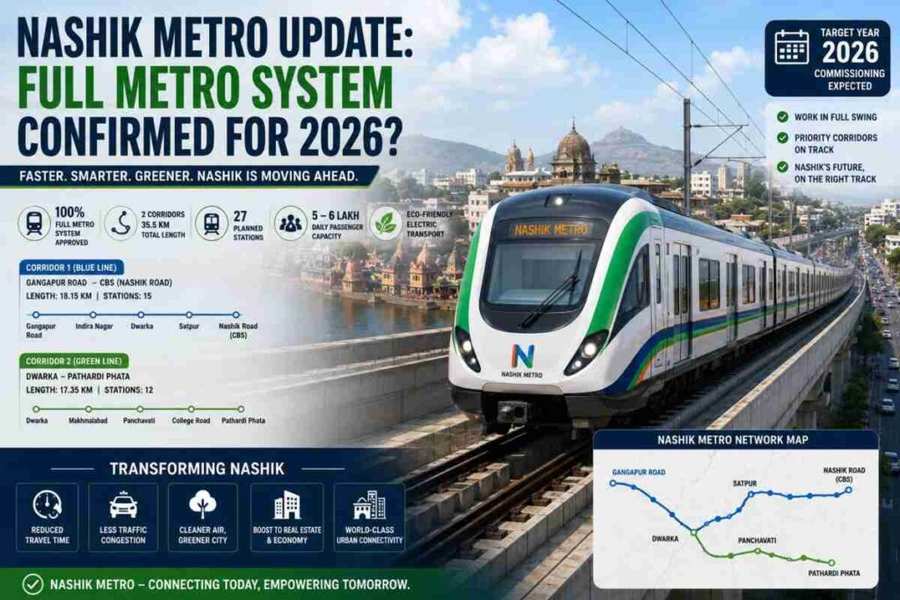
Now, a massive shift is unfolding in the state capital. The latest Nashik Metro update reveals that the Maharashtra government has officially hit the reset button. The long-delayed, rubber-tyred Metro Neo plan has been put on the back burner, and the state is pivoting toward implementing a traditional, full-fledged heavy rail metro system similar to the ones operating in Mumbai, Pune, and Nagpur. High-level review meetings at the Mantralaya in Mumbai have breathed new life into Nashik’s mass transit dreams. If you are a resident, a daily commuter, or a real estate investor looking closely at North Maharashtra, this evolution alters everything. Let’s dive deep into exactly what is happening, why the plan changed, and what a full metro network means for Nashik’s future.
What is the Nashik Metro Project?
Simple Explanation
At its core, the Nashik Metro project is a planned mass rapid transit system (MRTS) designed to permanently fix the urban transportation deficit of Nashik. For years, the city relied almost entirely on auto-rickshaws and its Citylink municipal bus service. While the buses helped manage intermediate public transport demands, they share the exact same congested lanes as private vehicles, failing to offer a reliable escape from peak-hour traffic jams.
The metro project aims to build dedicated, elevated corridors running completely independent of local street traffic. Instead of operating rubber-tyred hybrid buses on concrete lanes (as originally proposed under the Metro Neo framework), the fresh deliberations center on standard steel-wheeled trains moving over iron tracks, powered by overhead electrical wires. This upgrade translates directly into higher passenger capacity, significantly faster travel speeds, and a permanent, high-tech transit network that unifies the geographical layout of the city.
Why It Matters in 2026+
Nashik is no longer just a quiet, sleepy pilgrimage town famous for its temples and vineyards. In 2026, it stands as a sprawling industrial, agricultural, and residential powerhouse. The city’s population has rapidly breached federal thresholds, officially qualifying it for heavy rail infrastructure under central ministry guidelines.
Furthermore, the operational growth of the Nashik Airport at Ozar, the rapid expansion of industrial zones in Satpur and Ambad, and the preparation for the mega-scale Kumbh Mela pilgrimage have permanently altered local mobility dynamics. A simple, low-capacity transit system can no longer handle the sheer volume of daily commuters. A full metro system is no longer a luxury choice for Nashik—it has become an absolute structural necessity to prevent the city’s economic engines from grinding to a halt.
Key Features / Highlights of the Full Metro Proposal
Heavy Rail Technology over Rubber Tyres
The defining feature of the updated proposal is the move to standard heavy rail technology. While Metro Neo was built around articulated 18-meter and 24-meter rubber-tyred coaches capped at a lower carrying capacity, the regular metro will deploy standard multi-coach train sets. These trains run safely on steel tracks, ensuring maximum stability, smoother rides at higher speeds, and a long operational lifespan with standard, time-tested railway engineering components.
Massive Expansion in Passenger Capacity
The primary catalyst behind scrapping the older model was passenger volume capacity. The previous mass transit surveys were drawn up using data from nearly a decade ago, tracking a peak hour per direction traffic (PHPDT) metric of around 8,000 to 10,000 commuters. However, the newest updated Comprehensive Mobility Plan (CMP) indicates that Nashik’s high-demand corridors have easily crossed a threshold of 20,000 passengers per hour. Regular heavy metro systems are purposefully engineered to manage these dense volumes, moving double the volume of commuters per trip compared to light rubber-tyred alternatives.
Seamless Scalability and Multi-Modal Integration
Going with a standardized heavy rail model means Nashik’s transit network can easily integrate with broader regional rail projects. This includes future linkages with the semi-high-speed Nashik-Pune rail corridor. It also guarantees scalable modifications; if a particular route experiences an unexpected real estate boom over the next decade, the operating agency can simply add extra coaches to the existing trains rather than having to rebuild specialized concrete guide-ways from scratch.
Benefits of a Full Nashik Metro System
Financial Benefits
The economic ripples of a heavy metro system extend far beyond the ticket counters. For regular commuters, transitioning from private vehicles or app-based cabs to the metro slashes monthly fuel and transit expenditure significantly. On a macro level, a full metro system drastically cuts down the city’s overall fuel consumption and reduces the massive financial losses tied to traffic delays, idling engines, and logistical bottlenecks inside key industrial corridors.
Lifestyle and Business Benefits
Imagine swapping a stressful, 60-minute evening commute through clogged junctions for a clean, air-conditioned, 15-minute predictable train ride. The quality of life index for Nashik residents will skyrocket. For local businesses, a regular metro expands the accessible talent pool. Employees living in residential suburbs like Nashik Road or Gangapur Road can effortlessly commute to corporate offices or industrial hubs on the opposite side of town without losing hours of productive energy to road exhaustion.
Long-Term Real Estate Value
A standard heavy metro line alters urban geography permanently. Areas located within a 1-kilometer radius of any planned metro station experience an immediate surge in real estate desirability. This transit-oriented development pattern translates into higher rental yields for property owners, sustained capital appreciation for early homebuyers, and structural incentives for developers to build modern, high-density residential and commercial complexes along the transit corridors.
Location and Market Analysis
Connectivity
The geographical footprint of the proposed metro corridors focuses squarely on bridging Nashik’s distinct developmental zones. The historical layout of Nashik is unique; it features a central business district, a distant major railway terminus at Nashik Road, and vast industrial layouts separated by fast-growing residential pockets.
[Gangapur Road Residential Belt] ◄───► [Central CBS Hub] ◄───► [Nashik Road Railway Terminus]
                                             ▲
                                             │
                                             ▼
                               [Satpur / Ambad Industrial Zone]
A heavy metro connects these isolated pieces into a single cohesive network. It allows a commuter arriving at the Nashik Road railway station to reach the heart of the city or the manufacturing zones without ever setting foot on a congested main highway.
Infrastructure Growth
The metro does not advance in a vacuum. It aligns perfectly with major civil infrastructure works currently transforming North Maharashtra. The expansion of the Nagpur-Mumbai Samruddhi Mahamarg, the upgrading of the Nashik-Pune highway, and the ongoing modernization of municipal roads inside the city create a multi-layered transportation network. The metro serves as the high-speed inner core of this framework, handling heavy local passenger transit while the highways manage regional freight and interstate travel.
Future Economic Potential
By shifting commuter traffic off the main arterial streets, Nashik unlocks cleaner air, safer pedestrian pathways, and a highly attractive environment for information technology (IT) firms and service-sector multinationals. Historically, service firms hesitated to set up large offices in Nashik due to the lack of structured mass public transit for their workforces. A full metro clears this roadblock, positioning Nashik to compete directly with Pune and Thane for corporate investments over the next decade.
Investment Potential and Use Case
ROI Opportunities
For real estate investors, the current pre-construction phase of the Nashik Metro is a prime window of opportunity. Historically, across fast-growing Indian tier-2 cities, commercial properties and residential residential units situated near proposed transit lines see a 20% to 35% capital appreciation jump between the initial survey approvals and the final track-laying phases. Investing in emerging micro-markets along the proposed routes before construction starts offers excellent long-term returns on investment.
Risk Factors (Be Honest)
While the long-term outlook is incredibly promising, a realistic investment strategy requires acknowledging structural risk factors:
- Project Delays: Transitioning from a light system to a regular heavy metro requires fresh technical evaluations, updated detailed project reports (DPRs), and new funding clearances from both state and central governments, which can push back initial construction deadlines.
- Land Acquisition Hurdles: Building elevated viaducts through older, densely populated parts of the city often runs into legal or logistical land-acquisition friction, slowing down execution.
- Temporary Construction Disruptions: Once heavy construction begins, major arterial roads will experience restricted lane widths and barricading, causing temporary traffic diversions and business disruptions for storefronts located directly along the path.
Who Should Invest?
The ideal investor profile for this market includes long-term retail real estate investors looking for stable rental income, local business owners planning to set up central offices with high footfall accessibility, and families searching for homes in well-connected residential areas. If your investment horizon is at least 5 to 7 years, buying near the proposed transit lines can be an excellent way to build wealth.
Comparison Section: Heavy Metro vs. Metro Neo
To truly appreciate why the government is pivoting toward a regular full metro system, it is helpful to look at how it stack up directly against the previously planned tire-based Metro Neo configuration.
| Evaluation Metric | Conventional Heavy Metro (Proposed) | Older Metro Neo Plan (Scrapped) |
| Track Infrastructure | Standard steel rail tracks | Elevated or at-grade concrete slabs |
| Vehicle Type | Heavy electric train coaches | Rubber-tyred articulated electric buses |
| Peak Passenger Capacity | High (Over 20,000+ PHPDT) | Low to Medium (Capped around 8,000–10,000 PHPDT) |
| System Scalability | High; easy to add extra coaches | Restricted by fixed vehicle sizes and lane widths |
| Estimated Lifespan | Very High; track & rolling stock last decades | Moderate; rubber tyres and road surfaces wear down faster |
| Track Record in India | Tried, tested, and highly successful across 15+ cities | Experimental; zero operational reference systems in India |
Step-by-Step Guide: Navigating the Real Estate Market Ahead of Metro Construction
If you want to capitalize on this massive infrastructural shift, you need a methodical approach to choosing property. Here is a step-by-step framework to keep you ahead of the curve.
1.Analyze the Updated Comprehensive Mobility Plan (CMP):Phase 1: Research.
Do not rely on old maps from 2017. Monitor official notices from Maha Metro and the Nashik Municipal Corporation (NMC) to pinpoint the exact locations of the newly proposed heavy rail stations and route corridors.
2.Identify Micro-Markets in the Buffer Zone:Phase 2: Scouting.
Focus your property searches within a strict 500-meter to 1.5-kilometer radius of the proposed stations. Properties within this zone experience the strongest long-term demand and price appreciation.
3.Verify Clear Titles and RERA Compliance:Phase 3: Due Diligence.
With a major metro project announced, speculative projects will pop up. Ensure any property you look at has clean land titles, zero litigation risks, and clear approvals from local planning bodies.
4.Lock in Pre-Construction Entry Prices:Phase 4: Acquisition.
Acquire your assets before ground-breaking ceremonies begin. Once heavy machinery and barricades appear on the roads, developers typically hike base prices across nearby projects.
Expert Tips for Smart Property Buyers
As Nashik positions itself for a massive transportation overhaul, insider navigation makes all the difference. Here are a few strategic tips for buyers:
- Prioritize Junction Stations: Look for properties near intersections where multiple transit routes or feeder networks meet. These hubs see the highest footfall and commercial appreciation.
- Don’t Buy Directly Beneath the Tracks: Avoid residential units that face the elevated viaduct lines directly at window level. The constant movement of trains can cause minor noise issues and compromise privacy. Instead, buy a block or two away.
- Look for Mixed-Use Zoning: Properties that permit commercial retail space on the ground floor and residential units above yield maximum flexibility and premium rentals near metro hubs.
- Verify Feeder Bus Access: Check if your target neighborhood is included in the municipality’s micro-feeder network, which ensures easy connectivity even if a station is a few blocks away.
- Pace Your Financial Expectations: A heavy metro takes time to build. Plan your finances assuming a 4 to 5-year construction window before the system goes fully operational.
Common Mistakes to Avoid
- Buying Based on Rumors: Avoid committing large amounts of capital based on informal real estate flyers or unverified WhatsApp forwards regarding station placements. Wait until official alignment studies are formally submitted to the urban development department.
- Overpaying for Speculative Land: Do not pay inflated premiums for agricultural land on the distant fringes of the city simply because a future phase might extend out there. Stick to the primary, high-demand development phases.
- Ignoring Construction Hassles: If you are buying a commercial showroom or a retail space directly on a route slated for elevated construction, make sure your business can handle temporary traffic slowdowns and reduced front-of-shop parking for a couple of seasons.
Future Trends: What Nashik Will Look Like Between 2026 and 2030
As we move toward the close of the decade, the integration of a full metro system will fundamentally reshape the way Nashik moves and grows.
The 2030 Transit Outlook: We anticipate a major shift toward high-density vertical development along transit corridors. The old model of unchecked urban sprawl will slowly transform into smart, compact neighborhoods centered around metro hubs.
Furthermore, with the city prepping for upcoming mass tourist events and religious congregations, the metro will likely feature specialized high-capacity ticketing systems and tourist-friendly day passes. This will make it simple for millions of visitors to move smoothly from transit terminals straight to historical and cultural landmarks without overwhelming the local road network.
Conclusion
The shift toward a full, regular metro system marks a massive milestone in Nashik’s growth story. By moving past the experimental, low-capacity tire-based models, the city is laying the foundation for an enduring, high-capacity mass transit system capable of supporting its rapid population boom and economic ambitions.
While the administrative reset means waiting a bit longer for construction to wrap up, the long-term payoff—cleaner air, minimal traffic jams, a booming local economy, and soaring real estate value—is well worth the wait. For residents and long-term investors alike, keeping a close eye on the unfolding Nashik Metro update isn’t just about tracking a public transit project; it’s about watching the blueprint of a future tier-1 mega-city take shape in real time.
For residents and businesses across Gurugram, Noida, and Delhi, the message is clear: the days of being hopelessly stuck in traffic are winding down. for Cutting out traffic Govt has launched Delhi katra Expressway It is time to look forward, adapt to these emerging corridors, and position your investments to ride the wave of this historic infrastructure transformation.
You will see a city built for the next generation. Knowledge Park 5 is not just about real estate. It is about the quality of life you deserve. It represents a smart choice for your family and your finances. Take a drive through the sector and see the progress yourself. You will see a city built for the next generation. Sector 4 Greater Noida, is more than just a destination on a map; it represents the modern Indian dream of affordable luxury and planned growth. Knowing the Sector 4 Greater Noida pin code is just the beginning of your journey. Whether you are moving here for work, family, or investment, the area offers a robust foundation for a high-quality life. With its strategic location, improving infrastructure, and vibrant community, Sector 4 is undoubtedly one of the best places to plant your roots in the NCR. for more doubts get a On call free session by Real Estate Advisory or Visit byviveksingh.in to book a direct strategy consultation. Are you a Business Owner ? than For business owners, the primary benefit is the guaranteed footfall. Book your Commercial Shop in Mahagun Metro Mall Today as Being located right near the Vaishali Metro Station means a constant stream of commuters is funnelled toward the mall. High visibility leads to lower customer acquisition costs for retail tenants
Frequently Asked Questions
Why was the Nashik Metro Neo project replaced with a regular metro?
The original tire-based Metro Neo design was based on traffic surveys from 2017 that projected low commuter numbers. Recent mobility studies show passenger demand on key lines has surged past 20,000 per hour. This high volume requires a heavy rail system instead of lighter, bus-based transit.
What are the main routes planned for the new Nashik Metro system?
While final routes are being polished under the fresh Comprehensive Mobility Plan (CMP), core corridors focus on linking high-traffic residential areas like Gangapur Road, central commercial hubs like CBS and Mumbai Naka, and industrial manufacturing belts directly to the main Nashik Road railway terminus.
When will construction on the full Nashik Metro system begin?
High-level review meetings are underway at the urban development department to finalize the technical variations and updated project costs. Once the revised detailed project report receives joint state and central cabinet approvals, a clear construction timeline will be announced.
How will the regular metro affect real estate prices in Nashik?
Historically, residential and commercial properties located within a 1-kilometer radius of planned heavy metro stations see steady capital appreciation. Early buyers entering the market during the pre-construction phase stand to secure excellent long-term rental yields and value growth.
Will the new metro system connect directly to the Nashik Airport?
Yes, connecting the rapid urban footprint around Nashik Airport at Ozar to the core city is a key focus of the updated transit studies. This ensures seamless multi-modal connectivity for business travelers and industrial logistics across the region.