
In today’s world, where urban air pollution reaches alarming levels, a groundbreaking shift is transforming the luxury real estate landscape. Low-AQI homes, designed to maintain exceptionally clean indoor air, are quickly becoming the ultimate symbol of premium living. These innovative properties prioritize health and wellness, offering residents mountain-fresh air quality even in polluted cities. Low-AQI homes incorporate cutting-edge technologies to combat pollutants, ensuring indoor environments remain pristine.
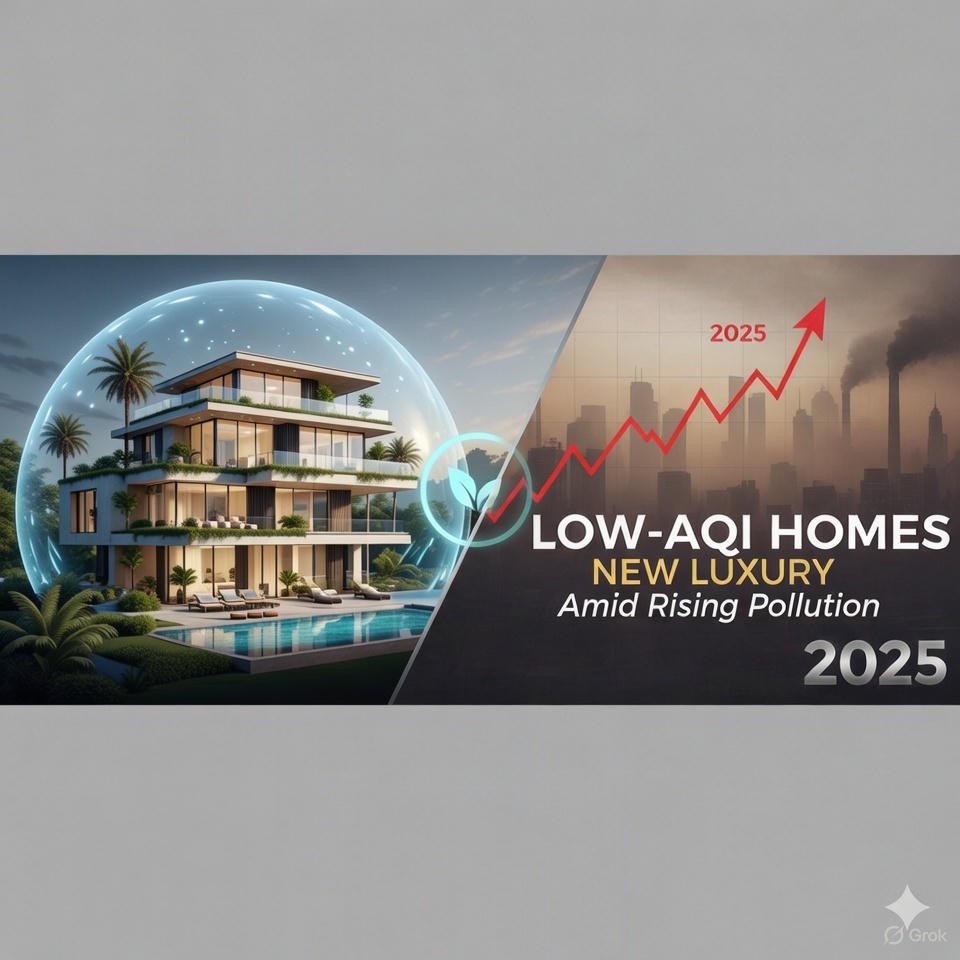
The rise of low-AQI homes stems directly from escalating air pollution concerns. Cities worldwide face hazardous particulate matter, smog, and toxins that impact daily life. Buyers now demand more than spacious layouts or high-end finishes—they seek low-AQI homes that safeguard their families’ respiratory health. Developers respond by integrating advanced filtration systems, making low-AQI homes a sought-after feature in upscale projects.
This trend highlights a broader evolution in real estate priorities. Low-AQI homes not only provide comfort but also represent a smart investment in long-term well-being. As awareness grows, low-AQI homes stand out as the future of luxury housing, blending sophistication with essential health protection.
Throughout this guide, we’ll explore why low-AQI homes matter, their key features, market trends, and more. By understanding low-AQI homes, you’ll see how they elevate modern living standards amid environmental challenges.
Understanding Low-AQI Homes
Low-AQI homes refer to residential properties engineered to achieve and maintain a low Air Quality Index indoors, typically below 50, regardless of external pollution levels. Unlike standard homes, low-AQI homes use specialized systems to filter out PM2.5, VOCs, and other harmful particles.
At their core, low-AQI homes prioritize indoor air purity through multi-stage purification. These homes often feature sealed building envelopes that prevent polluted outdoor air from infiltrating. Low-AQI homes combine mechanical ventilation with HEPA filters and activated carbon layers for comprehensive cleansing.
Developers of low-AQI homes focus on sustainable design elements like green walls and natural ventilation corridors. This holistic approach ensures low-AQI homes deliver consistently fresh air, mimicking pristine natural environments.
Buyers investing in low-AQI homes gain peace of mind, knowing their living spaces actively combat urban pollution threats. Low-AQI homes represent a proactive solution, turning potential health risks into a non-issue.
Why Low-AQI Homes Matter Today
In an era of worsening air quality, low-AQI homes have become essential rather than optional. Rising pollution levels contribute to respiratory issues, allergies, and long-term health complications, making low-AQI homes a critical choice for health-conscious families.
Low-AQI homes address the reality that outdoor air often exceeds safe limits in major cities. By creating controlled indoor ecosystems, low-AQI homes shield residents from external hazards like smog and industrial emissions.
The demand for low-AQI homes surges as professionals and families prioritize wellness. Low-AQI homes offer a sanctuary where children play freely without pollution worries, and adults enjoy better sleep and productivity.
Moreover, low-AQI homes align with global sustainability goals. Investing in low-AQI homes means choosing properties that enhance quality of life while adapting to environmental changes.
Low-AQI homes matter because clean air is no longer guaranteed—it’s a luxury worth pursuing.
Key Features and Advantages of Low-AQI Homes
Low-AQI homes boast innovative features that set them apart in the luxury segment. Central to low-AQI homes are advanced air purification systems, including HEPA and UV filtration to eliminate 99.97% of pollutants.
Many low-AQI homes include sensor-driven ventilation that adjusts airflow based on real-time air quality readings. This smart technology ensures optimal freshness in low-AQI homes without energy waste.
Green spaces and biophilic design elements further enhance low-AQI homes. Expansive parks, vertical gardens, and tree-lined layouts naturally filter air and reduce urban heat.
Advantages of low-AQI homes extend to health benefits, such as reduced allergy symptoms and improved respiratory function. Residents of low-AQI homes report higher energy levels and fewer sick days.
Low-AQI homes also command higher resale values due to their premium wellness positioning.
- Multi-stage filtration systems
- Intelligent humidity control
- Low-vehicle access zones
- Extensive greenery integration
- Real-time AQI monitoring apps
These features make low-AQI homes a superior choice for discerning buyers.
Pricing Insights for Low-AQI Homes
Low-AQI homes often carry a premium price tag, reflecting their advanced technologies and health-focused designs. In competitive markets, low-AQI homes can cost 20-40% more than conventional luxury properties.
Factors influencing pricing of low-AQI homes include location, filtration system sophistication, and project scale. Entry-level low-AQI homes start in the mid-luxury range, while ultra-premium versions feature bespoke purification setups.
Despite higher upfront costs, low-AQI homes offer long-term savings through reduced medical expenses and enhanced property appreciation. Buyers view low-AQI homes as investments in family health.
Financing options for low-AQI homes are expanding, with green loans rewarding eco-friendly features. As demand grows, low-AQI homes are proving to be financially sound choices.
Market Trends Around Low-AQI Homes
The market for low-AQI homes is booming, driven by urban pollution spikes and wellness awareness. Developers increasingly market low-AQI homes as standard in high-end projects.
Tier-II cities lead in low-AQI homes adoption, offering cleaner baselines enhanced by technology. However, metro areas see rapid growth in low-AQI homes retrofits.
Global influences shape low-AQI homes trends, with international buyers seeking similar features. Sustainability certifications boost appeal of low-AQI homes.
Future projections indicate low-AQI homes will dominate luxury segments, with integrated smart tech becoming norm.
Comparison of Low-AQI Homes With Traditional Luxury Options
Traditional luxury homes emphasize aesthetics and amenities like pools or gyms, while low-AQI homes prioritize invisible yet vital health protections.
Low-AQI homes outperform standard properties in air purity, often achieving indoor AQI levels comparable to rural areas. Traditional homes rely on basic HVAC, leaving residents vulnerable to external pollution.
Energy efficiency favors low-AQI homes, with sealed designs reducing utility bills. Low-AQI homes also appreciate faster due to emerging demand.
While traditional options appeal for status, low-AQI homes deliver tangible wellness benefits unmatched by conventional luxury.
Growth and Future Potential of Low-AQI Homes
The growth trajectory for low-AQI homes is steep, fueled by pollution awareness and technological advancements. Low-AQI homes are expanding beyond India to global markets facing similar issues.
Innovations like AI-optimized filtration promise even better performance in future low-AQI homes. Integration with smart home ecosystems will make low-AQI homes more user-friendly.
As regulations tighten on urban emissions, low-AQI homes will gain further prominence. Their potential lies in redefining luxury as health-centric.
Experts predict low-AQI homes will become mainstream in luxury real estate within a decade.
Expert Insights on Low-AQI Homes
Industry leaders hail low-AQI homes as the next evolution in residential design. Real estate experts note that low-AQI homes respond directly to buyer shifts toward preventive health.
Architects specializing in low-AQI homes emphasize balanced design—combining beauty with functionality. Health professionals endorse low-AQI homes for mitigating pollution-related risks.
Market analysts foresee sustained demand for low-AQI homes, advising developers to prioritize these features.
Why You Should Choose Low-AQI Homes
Choosing low-AQI homes means investing in unparalleled health and comfort. Low-AQI homes provide a daily escape from pollution stresses.
For families, low-AQI homes ensure safer environments for children and elders. Professionals benefit from clearer minds and better focus in low-AQI homes.
Long-term, low-AQI homes offer superior value retention and lifestyle elevation.
Final Thoughts on Low-AQI Homes
Low-AQI homes represent a pivotal shift in luxury real estate, placing clean air at the forefront amid rising pollution challenges.
From advanced features to health advantages, low-AQI homes deliver comprehensive benefits that traditional properties can’t match.
As trends evolve, embracing low-AQI homes positions you at the cutting edge of wellness-driven living.
Consider exploring low-AQI homes for your next investment—your health and future deserve it.
Why You Should Choose Cyber Arch IT Park Studio Apartment Greater Noida Over Others
The decision to invest in a Cyber Arch IT Park Studio Apartment Greater Noida is a vote for stability and growth in a dynamic market. The unique combination of factors makes it a top-tier choice:
- Dual-Purpose Demand: Catering to both commercial (IT Park) and residential (Studio Apartment) demand simultaneously.
- Strategic Pinpoint Location: Its address in Knowledge Park 5, next to Delhi World Public School, is superior for both rental yield and accessibility.
- Low-Ticket Investment, High-Yield Potential: The studio apartment format offers an accessible entry point to the high-growth Greater Noida West market, maximizing the ROI potential from a single Cyber Arch IT Park Studio Apartment Greater Noida.
FAQs
Q1. What are low-AQI homes and why are they popular?
Low-AQI homes are luxury properties with advanced systems maintaining low indoor Air Quality Index. Low-AQI homes gain popularity due to rising urban pollution, offering clean air as a health essential. Buyers choose low-AQI homes for respiratory protection and wellness.
Q2. How do low-AQI homes improve indoor air quality?
Low-AQI homes use HEPA filters, UV purification, and smart ventilation to remove pollutants. These features in low-AQI homes ensure constant fresh air circulation. Low-AQI homes often include green elements for natural filtration.
Q3. Are low-AQI homes worth the premium price?
Yes, low-AQI homes justify higher costs with health benefits and property value growth. Investing in low-AQI homes reduces long-term medical risks from pollution. Low-AQI homes provide unmatched comfort in polluted areas.
Q4. What features define modern low-AQI homes?
Key features of low-AQI homes include multi-stage filtration, sensor monitoring, and extensive greenery. Low-AQI homes integrate sealed designs and low-emission materials. Advanced low-AQI homes add app-controlled systems for real-time adjustments.
Q5. How do low-AQI homes compare to regular luxury homes?
Low-AQI homes surpass regular luxury homes by prioritizing air purity over mere aesthetics. While traditional homes focus on visuals, low-AQI homes deliver tangible health safeguards. Low-AQI homes excel in sustainability and future-proofing.
Q6. Where are low-AQI homes most in demand?
Low-AQI homes thrive in polluted urban centers like Delhi-NCR and Mumbai. Demand for low-AQI homes rises in Tier-II cities with natural advantages. Globally, low-AQI homes appeal in areas facing air quality challenges.
Q7. What is the future of low-AQI homes in real estate?
The future of low-AQI homes looks bright, becoming standard in luxury developments. Innovations will enhance low-AQI homes efficiency and integration. Low-AQI homes will lead as wellness redefines premium living.
